%20--%3e%3csvg%20version='1.1'%20id='Layer_1'%20xmlns='http://www.w3.org/2000/svg'%20xmlns:xlink='http://www.w3.org/1999/xlink'%20x='0px'%20y='0px'%20viewBox='0%200%20236.2%20238.3'%20style='enable-background:new%200%200%20236.2%20238.3;'%20xml:space='preserve'%3e%3cstyle%20type='text/css'%3e%20.st0{fill:%23FFFFFF;}%20.st1{fill:%23678983;}%20.st2{fill:%2395C4BC;}%20%3c/style%3e%3cpath%20class='st0'%20d='M236,124.2c-0.1-0.2-0.2-0.4-0.4-0.5L236,124.2L236,124.2z'/%3e%3cpath%20class='st1'%20d='M208.3,93c0.7-0.8,1.8-1.1,2.8-1c3.1,0.4,6,1.5,8.6,3.1c2.6,1.5,4.9,3.4,6.9,5.7c1.8,2.1,2.6,3.8,2.5,5%20c-0.1,0.9-0.4,1.7-0.8,2.5c-0.4,0.8-0.9,1.1-1.5,1c-0.7-0.1-1.4-0.4-2.1-0.8c-0.3-0.2-1.2-0.6-2.6-1.4c-1.7-0.9-3.5-1.6-5.3-2.1%20c-2.3-0.7-4.7-1.2-7.2-1.5c-2.4-0.3-3.4-2.1-3-5.4l0.2-1.6C206.9,95.3,207.4,94,208.3,93z'/%3e%3cpath%20class='st2'%20d='M176.6,117.4c-1.7,0.9-3.9,0.3-4.8-1.4c-0.9-1.7-0.3-3.9,1.4-4.8c0,0,0.1-0.1,0.1-0.1%20c6.8-3.5,14.3-5.7,21.9-6.4l6.5-41.1c0.9-5.5,1.7-11.2,0.9-16.7c-0.8-5.6-3.6-11.1-8.6-13.8c-4.9-2.7-10.9-2.2-15.8,0.1%20s-8.9,6.4-12.2,10.8c-20,26.3-19.4,48.4-28.4,94.2h-5.2c0-0.3,0.1-0.6,0.1-0.9l13.1-81.7c1.1-6.7,2.1-13.5,0.9-20.1%20c-1.2-6.6-5.2-13.2-11.5-15.6c-5.7-2.2-12.4-0.6-17.4,3s-8.7,8.7-11.7,14C99.3,48.2,95,60.6,91.8,73.4c0.2-22.7-4.4-40.6-13.8-53.5%20C70.3,9.2,58.5,2.1,45.4,0.4h-0.3C24.5-2.4,5.6,12.1,2.8,32.8s11.7,39.6,32.4,42.3c18.1,2.4,35.4-8.5,40.9-26%20c-0.5-2.1-1.2-4.3-2-6.3c-4.6-11.7-13.8-21.1-25.3-26c-1.8-0.8-2.6-3-1.7-4.7c0.8-1.7,2.8-2.5,4.5-1.8c19,8.1,30.8,25.9,32.7,46.2%20c1.4,14.8,0,30.4-2.1,45c-1.1,7.6-2.6,15.1-4.3,22.6c-0.4,2-6.1,21.7-5.6,22c3.5,1.9,6.9,4.1,10.1,6.6c1.6,1.2,1.8,3.5,0.6,5%20c-1.2,1.6-3.5,1.8-5,0.6l0,0c-23.6-18.3-49.2-15.5-66.9,7.2c-17.4,22.4-14,54.5,7.7,72.8l55.3-20.7c0.6-0.4,1.2-0.9,1.7-1.3%20c5.4-4.8,6.9-12.5,8.1-19.7l17.1-103c0.4-2.2,0.8-4.5,2.2-6.2c1.4-1.7,4.1-2.6,5.9-1.3c1.8,1.3,1.7,4.1,1.4,6.4L95.2,209%20c12.7-3.9,25.2-8.2,37.5-13c3.4-1.3,6.8-2.7,9.3-5.4c3-3.3,3.9-8,4.7-12.4l14.4-83.1c0.2-1.9,0.8-3.8,1.9-5.4%20c1.2-1.5,3.5-2.3,5.1-1.3c1.8,1.2,1.7,3.8,1.5,6l-7.7,60.9c-0.8,6.7-1.7,13.6-0.3,20.2c1.2,5.4,4.1,10.6,8.6,13.6%20c1,0.7,2.2,1.3,3.4,1.7c7.1,2.5,14.9-0.5,21.3-4.4c21.8-13.2,36.9-35.2,41.3-60.3c0-0.2,0.1-0.3,0.1-0.5%20C220.1,110.6,196.2,107.2,176.6,117.4z'/%3e%3c/svg%3e)
Client
Seagate Technology
Role
Web and visual designer
Timeline
Short-term engagement
Platform
Seagate.com / Amazon / Lyve Cloud
Designing launch experiences across gaming, retail, and cloud storage
View God of War page
Overview
During a short engagement with Seagate Technology, I designed web experiences for a series of special-edition storage product launches, working within Seagate's existing responsive design system across its main site and Amazon. I also supported materials for the Lyve Cloud enterprise storage service. The work spanned two major entertainment licensing partnerships, Sony and PlayStation, and Lucasfilm and Disney, as well as content clarifying a technical product line for customers.
My Role
I worked as a designer across three projects: God of War Ragnarok Special Edition, the Star Wars Lightsaber Collection, and Lyve Cloud. I completed the engagement on site with Seagate's team in Portland, Oregon, which supported close collaboration throughout the review process. I partnered with a copywriter on page content for each launch and reported to a senior designer who reviewed and approved final work. My role centered on curating and placing imagery within Seagate's established template system, choosing which layout best served each set of product photography, then adapting backgrounds, pacing, and emphasis to fit each partner's identity within Seagate's guidelines.
Project 1: God of War Ragnarok Special Edition
The God of War Ragnarok Special Edition drive launched on Seagate's site and Amazon within a flexible responsive template. I selected layouts for the supplied imagery, sequenced the page story, and balanced the PlayStation and Seagate identities.
I built a rough mockup, revised it through senior design review, and handed the layout to a copywriter. A second review after the copy pass led to final revisions before launch.

The Live Product Experience
The product-detail interface presents commerce information clearly before the licensed story. Imagery, copy, configuration, purchase actions, and specifications were organized to remain legible within Seagate's responsive system.
Designing for Platform Compatibility
After the product introduction, the page moved into a compatibility module that separated PlayStation 5 and PlayStation 4 use cases. The high-contrast design preserved Sony's hardware language while making compatibility information easy to scan.

Adapting the Launch for Amazon
I adapted the same visual assets into Amazon's A+ Content module system. The stricter third-party format shifted the design focus toward content flow: how imagery and copy paced against one another within Amazon's fixed modules, and how the story could remain recognizable after losing the flexibility of Seagate's site templates.
The Amazon Feature System
The fixed modules translated compatibility and package details into a compact retail sequence. Showing these modules together makes the Amazon adaptation legible without repeating the campaign banner or the lifestyle image used earlier in the listing.
Project 2: Star Wars Lightsaber Collection
The Lightsaber Collection FireCuda SSD was the project I spent the most time on. It followed the same core process as Ragnarok, including imagery curation, two rounds of design feedback, and copywriter collaboration, but required a distinct visual identity. Rather than reuse the Ragnarok treatment, I adapted background styling and pacing to a Star Wars aesthetic while working within Lucasfilm, Disney, and Seagate guidelines.
Unlike the God of War page, which remains live, the original Seagate Lightsaber page has since been taken down. Because the product was a limited edition, current listings and complete page records are increasingly difficult to find. The product and packaging remain documented through Seagate's official datasheet, retailer-hosted manufacturer imagery, and launch-period press coverage.
A Distinct Licensed World
The collection included interchangeable Luke Skywalker, Darth Vader, and Obi-Wan Kenobi faceplates. The imagery had to communicate both the collectible character system and the SSD's place inside a gaming setup, balancing cinematic presentation with a legible product story.

The Complete Collection
The collection image brings all three interchangeable character designs into one composition, making the product system easier to understand than a set of small side-by-side crops.

Bringing the Product Into a World
The landscape treatment gave the Luke Skywalker edition a cinematic setting and demonstrated how licensed atmosphere could support the product without overwhelming it.

Installed Product Views


Project 3: Lyve Cloud Storage Tiers
This shorter engagement involved internal one-pagers, documentation, and website content designed to make Lyve Cloud's storage tiers easier for customers to understand. The work included a chart-style breakdown of tier differences, translating a technical product line into a clearer comparison of access, retention, and pricing models.
The service page moves from a high-level product overview into migration, tier comparison, pricing, platform benefits, and ecosystem content. The full-page capture shows how those modules build a progressive explanation rather than beginning with dense technical documentation.
Making Storage Tiers Comparable
The pricing module turns three service models into a direct visual comparison. Consistent card structure, parallel language, and aligned actions let customers scan capacity, commitment, and use-case differences without working through dense documentation first.

Reflection
A few principles carried across all three projects.
Design within constraints, not from a blank page. The value was in judgment: choosing which layout served each image, sequencing a story across fixed templates, and knowing where a licensed partner's identity needed to bend the system without breaking it.
Two brands, one page. Every gaming launch required satisfying Seagate's guidelines and a licensing partner's, creating a recurring tension between staying on brand for the product and staying on brand for the license.
Feedback loops mattered more than first drafts. The mockup, feedback, revision, copy, review, and final structure meant the strongest version of the page rarely appeared in round one.
Sources and Credits
Source material included live Seagate product pages, Amazon-hosted manufacturer content, press and retailer imagery, and official Seagate Lyve Cloud materials.
My projects
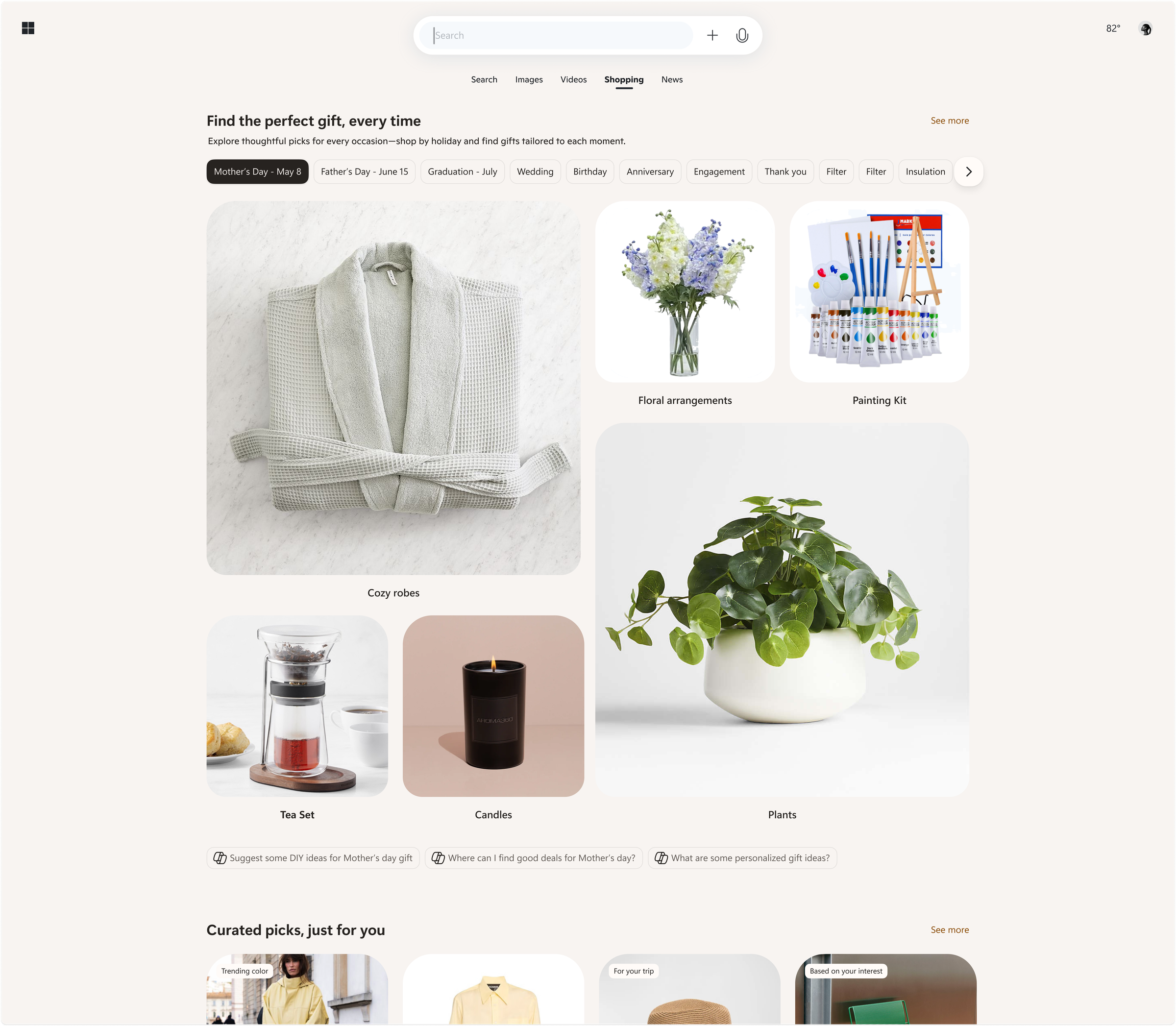
Microsoft
Shopping ecosystem across Bing, Copilot, Windows, Outlook
Seagate
Licensed gaming launches and cloud storage communication

Varfaj Partners
UX/UI, branding, and art direction across an agency roster
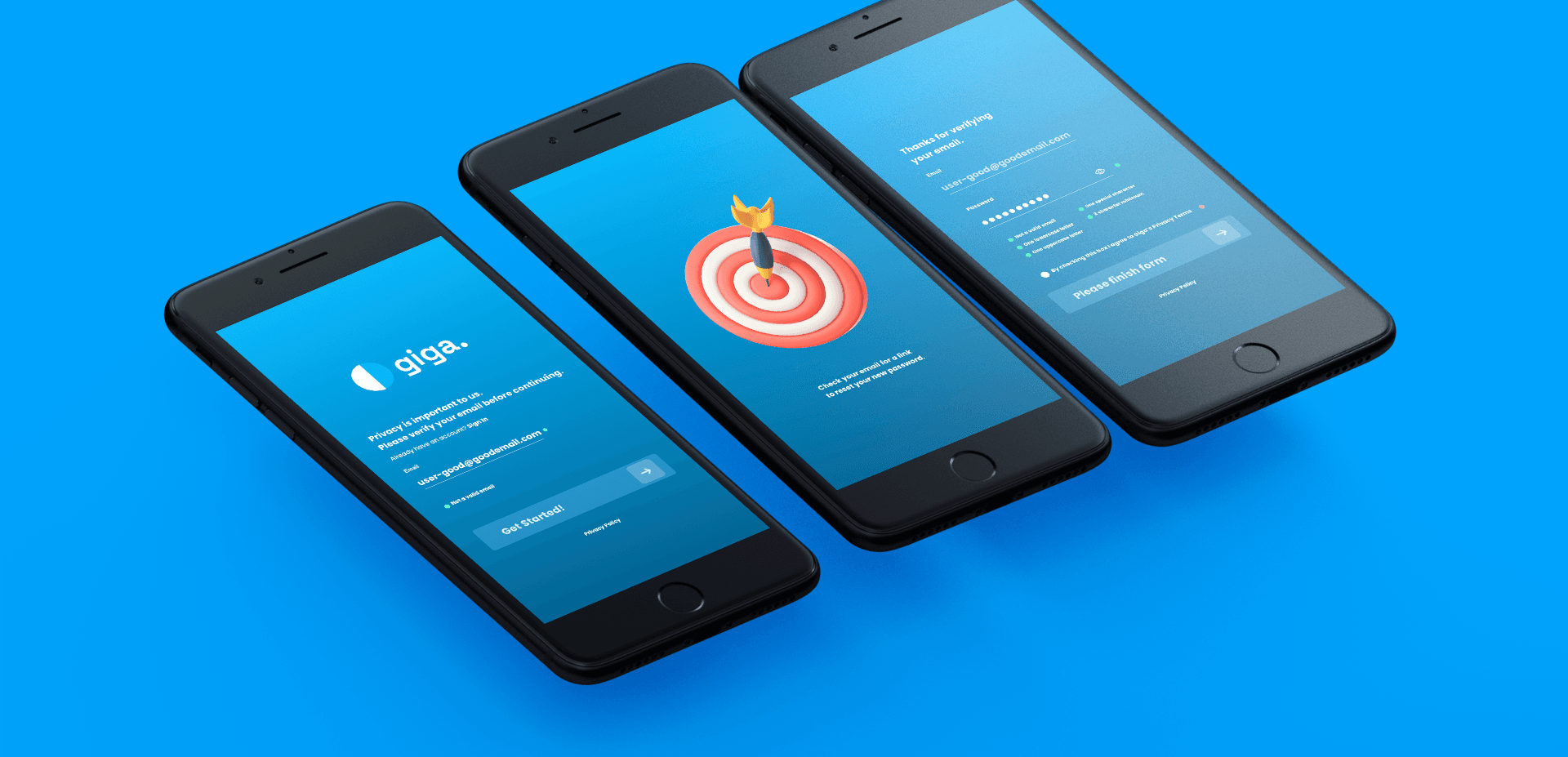
Giga
Full web app design for an evolving AI-native platform
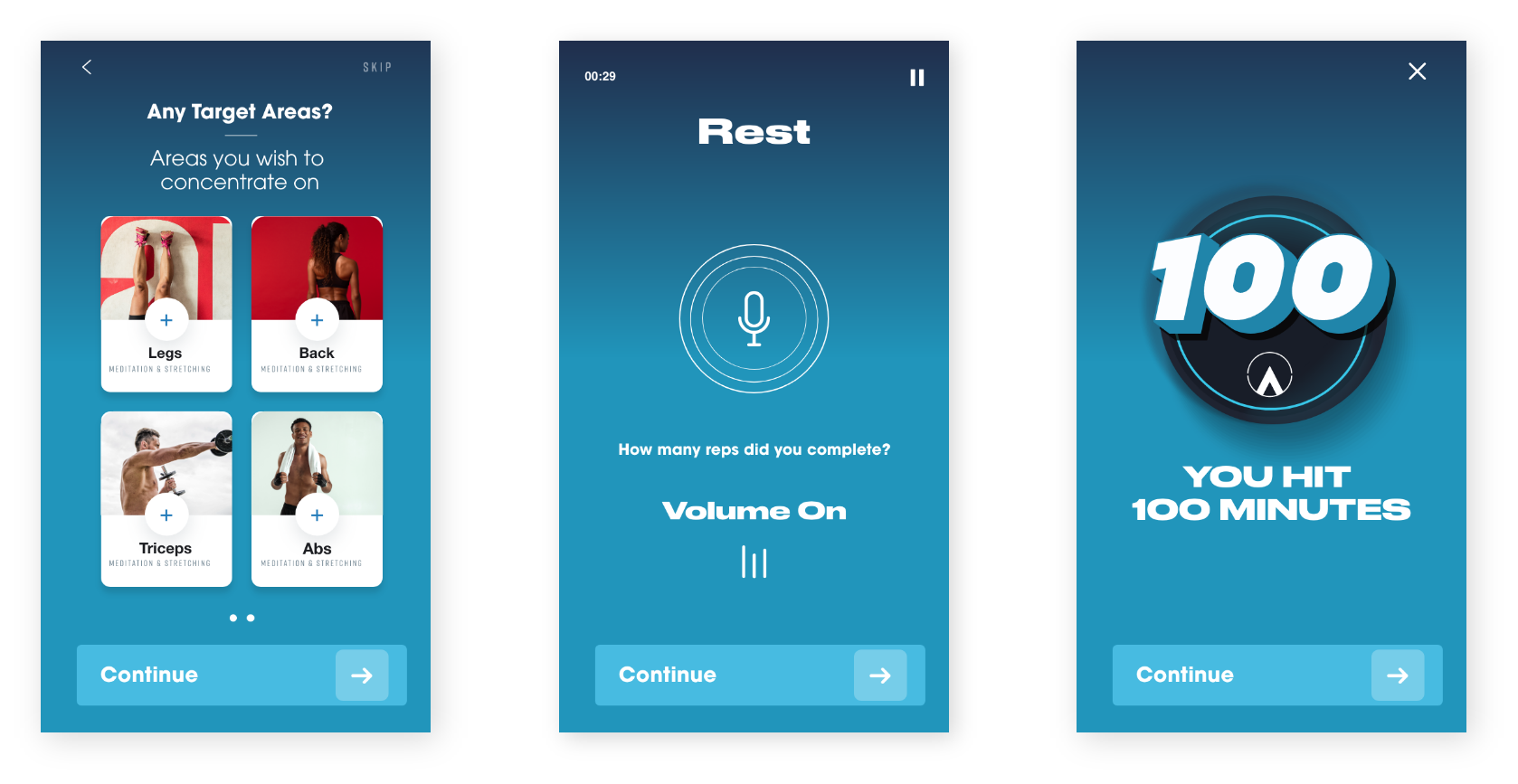
Piton
Voice-first iOS workout app for an early-stage startup
Outsource
Brand systems and digital experiences across four businesses